Showing posts with label Medicinal Plant. Show all posts

Friday, March 4, 2016

Papua Red Fruit healing miracle cures of HIV / AIDS - True Story


Glimmer of hope for people with HIV/AIDS to recover emerge from most eastern island of Indonesia, Papua. Red fruit or Latin name Phaleria Papuana (Red Froot Oil) allegedly only grows on Papua island, it seems predictable as an antidote to a virus that attacks the immune system.

Although there is no medical research on red fruit meter length and weigh 15 kg , but the people of Papua Special District Wamena is consumed by people with HIV/AIDS can feel significant changes so that his health condition is getting better, though not yet declared cured.

The real story, a person with HIV / AIDS who named Agustina (22) experienced health changes . Original body weight 27 kg , with a virus that has no cure, but after eating the red fruit, the weight to be increased to 42 kg.

Initially , Agustina HIV / AIDS brought public health development agency ( YKPM ) Papua to I Made Budi, who was researching the fruit. YKPM Papua who know their red juice that can recondition the health of people with HIV/AIDS requested I Made Budi to drink the red juice to Agustina .

After some time Agustina drinking red juice, he felt better . Symptoms of severe diarrhea and mouth sores that appear when HIV/AIDS is lost. She felt fresh and can perform daily activities, like healthy people.

Red fruits that contain beneficial nutrients in high concentration. Among these Betakatoren, Tocopherol, oleic acid, linoleic acid, linolenic acid, and decanoate. Everything is an active drug compound.

Beta-carotene is the ongoing function slows the buildup of plaque in the arteries. So the flow of blood to the heart and brain went without blockages. Interactions with protein increases the production of antibodies. This increases the number of natural killer cells and increase the activity of T cells and lymphocytes Helpers. A study proves the consumption of beta-carotene is 30 - 60mg / day for 2 months making bodies have natural killer cells most.

The increase in natural killer cells that suppress the presence of cancer cells. They are potent carcinogenic compounds neutralize free radicals, cause cancer.

The role of other red fruit that is as antikarsinogen is more complete with the presence of tocopherol. These compounds play a role in improving the immune system targeted by HIV / AIDS.

Red fruits that contain Omega 3 and 9 in high doses as unsaturated fatty acids. He easily digested and absorbed so accelerate metabolism. Smooth metabolism help the healing process. Therefore, the body gets protein intake can improve endurance.

The fatty acids contained in the red fruit is also an antibiotic and antiviral. They are active weaken and shed the virus lipid membrane and turn it off. Even viruses are not given the opportunity to build a new structure that can not regenerate. Because of that ability, he effectively inhibit and kill a variety of strains of HIV / AIDS, including hepatitis virus that damages the liver cells. It was also shown to inhibit and kill tumor cells active.

Note :

However, if the red juice was indeed proven can cure HI V/ AIDS in Papua , but not necessarily for people with HIV/AIDS in the outer island of Papua. The reason is a way of eating , lifestyle, and the environment in Papua is very different from all the others in the area , on the island of Java , for example .

If it is true that red fruit can cure, the juice should also be tested to patient immunity is outside Papua, can only be proven efficacy.

Wish to be faithful to your partner, apply a healthy life every day, avoid illegal drug , obedient to the faith, avoid sharing needles can spare you from HIV / AIDS

Thursday, March 3, 2016

Raw Papaya Leaf To Cure Dengue Hemorrhagic Fever and Prevent Zika Virus - True Story

Dengue Hemorrhagic Fever (DHF), It is also known as breakbone fever. The geographical spread is similar to malaria, but unlike malaria, dengue is often found in urban areas of tropical nations, including Puerto Rico, Singapore, Malaysia, Taiwan, Thailand, Indonesia, Philippines, Pakistan, India, Brazil, Vietnam, Guyana, Venezuela and Bangladesh. Each serotype is sufficiently different that there is no cross-protection and epidemics caused by multiple serotypes (hyperendemicity) can occur. Dengue Virus is transmitted to humans by the Aedes aegypti (rarely Aedes albopictus) mosquito, which feeds during the day. This means that dengue can not be transmitted directly from one person to another without intermediary mosquitoes . 

Aedes Aegypti

Symptoms of Dengue Hemorrhagic Fever

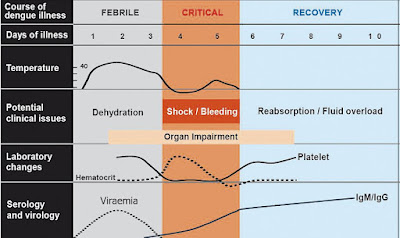
Symptoms of Dengue Hemorrhagic Fever generally will be seen in three to fourteen days after the incubation period and usually begins with a high fever that can reach a temperature of 41 degrees celsius. The incubation period is the time between the virus first enters the body until the first symptoms appear. 


Complications arise

Although only occurred in a handful of cases, dengue can develop into a more serious complication , known as severe dengue. Severe dengue can cause the sufferer to experience a decrease in blood pressure or shock, organ damage, and bleeding. Therefore deliver severe dengue patients to the hospital to be addressed as soon as possible because it is feared could lead to death if handled too late.


Using Traditional Medicine To Cure if The Platelet Drop


Based on the experiences of a boy who has recovered from dengue fever after experiencing a critical period in the ICU when the platelet count reached number 15 and spent 15 liters of blood transfusion.

The father of the child getting recommendations from friends about Raw Papaya Leaf Juice After drinking the juice, his platelet originally 45 to 25 liters of blood transfusion rose rapidly to 135. This makes doctors and nurses were surprised . Even the next day, his friend had not given a transfusion again.

Another experience of raw papaya leaf juice is obtained by someone with a very severe condition . These people are in very critical situation, in which the lungs have started to be filled with water for a very low platelet numbers. To the extent that he had difficulty breathing. Doctors can only say that the immunity from the body would be able to make him stand. Fortunately, the mother-inlaw of the patient heard about the juice of raw papaya leaves. Once administered to the patient, the next day, platelet count begins to rise and the fever began to disappear. Juice it continue to be given and the next 3 days he was declared cured.

How To Make The Juice

  • 2 leaves of papaya cleaned , crushed and squeezed with filter cloth
  • Will get 1 tablespoon a leaf
  • Measuring 2 tablespoons 1 a day
  • Leaves should not be cooked, boiled or washed with hot water because the properties will be lost
  • Remember : only the leaves , not the stem or sap
  • It was indeed bitter , but still must be taken
Please circulate this information because lately a lot of cases of dengue fever and zika virus, the prevention of the spread of this virus can be done with a few things. One way is to eradicate the Aedes aegypti mosquito 

Friday, September 25, 2015

Prevent Asthma with Traditional Medicine

Traditional Medicine - Asthma is a respiratory disorder that is allergies is sensitive to anything that enters the body through the respiratory tract such as dust or cold air. People with asthma have difficulty breathing and also experience tightness in the chest .

Breathing, pressure in the chest decreases so that air can enter. Reduced pressure helps keep the airways open. When exhaling, the pressure inside it increases that affect the walls of the respiratory tract and its branches so that it becomes flat. This situation causes the airways to become narrow making it difficult exhale. This is what causes asthma sufferers have difficulties when exhaling, which is usually accompanied by the onset of the sound.


There are many different causes of Asthma, however certain factors may make a person more likely to develop the condition. These include:

  • Smoking during pregnancy or passive smoking
  • Family history of Asthma and/or other allergies
  • Suffering from bronchiolitis at a young age
  • Premature birth
  • External factors such as pollution
  • Changes in the home or working environment
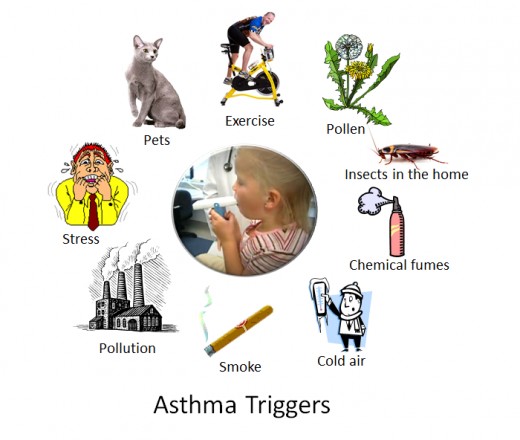
Asthma can be triggered by a range of non-specific factors such as temperature changes, exercise, pollen, smoke or perfumes. Asthmatics may also suffer from an allergy to something specific such as dust, certain pollen types, animal hair and fur, bacteria and chemicals, which worsen their symptoms.


Follow the 5 step rule if you get Asthma Attack

This method is taken from http://www.asthma.ie/emergency , follow this step when you get Asthma Attack :

Use this herbs to releive your Asthma : 

1. Drink Kaempferia Galanga, commonly known as kencur, aromatic ginger, sand ginger

Kaemferia Galanga Drink
Ingridients :
  • Kaemferia Galanga sufficiently
  • 2 tablespoons pure honey
  • 1 chicken egg
  • 1/4 Lime
How to dispensing :
  • Wash the Kaemferia Galanga then grate it, secondly squeeze the juice. The results of feelings mixed with honey and eggs and mix well do not forget the lime juice and stir until everything is really mixed.
How to Use
  • Drink the potion in the afternoon and evening before bed

2. Use The Betel Leaf 

Betel Leaf
Source : flicker.com
Ingridients :
  • 7 betel leaves
  • 1 teaspoon of  white pepper
  • Eucalyptus oil
How to dispensing :
Grind betel leaf and white pepper until smooth. Results of scour was mixed with eucalyptus oil.

How to use :
This herb is as an external medicine this herb is smeared on the chest and neck asthmatics.

Wednesday, August 5, 2015

Andrographis Paniculata as HIV Inhibitor

andrographis paniculata

Andrographis Paniculata is an annual herbaceous plant in the family Acanthaceae, native to India and Sri Lanka. But it is widely cultivated in Southern and Southeastern Asia, where it has been traditionally used to treat infections and some diseases. Mostly the leaves and roots were used for medicinal purposes.

Etymology

Andrographis Paniculata is an erect annual herb extremely bitter in taste in all parts of the plant body. The plant is known in north-eastern India as Maha-tita, literally "king of bitters", and known by various vernacular names (see the table below). As an Ayurveda herb it is known as Kalmegh or Kalamegha, meaning "dark cloud". It is also known as Bhumi-neem, meaning "neem of the ground", since the plant, though being a small annual herb, has a similar strong bitter taste as that of the large Neem tree (Azadirachta indica). In Malaysia, it is known as Hempedu Bumi, which literally means 'bile of earth' since it is one of the most bitter plants that are used in traditional medicine. In Java this plant was known as sambiloto/sambiroto.

leafs of andrographis paniculata a.k.a sambiloto

Chemistry

Andrographolide, an active ingredient in Andrographis, has been shown to be responsible for the herb's inflammatory modulating actions, including the reduction of cytokine and peritoneal deposition of neutrophils, and modulation of lung inflammation in vivo.[11]

Andrographolide is the major constituent extracted from the leaves of the plant which is a bicyclic diterpenoid lactone. This bitter principle was isolated in pure form by Gorter (1911). Such other activities as liver protection under various experimental conditions of treatment with galactosamine (Saraswat et al., 1995[full citation needed]), paracetamol (Visen et al., 1993[full citation needed]) etc. are also attributed to andrographolide.[clarification needed] The hepatoprotective action of andrographolide is related to the activity of certain metabolic enzymes[vague] (Choudhury and Poddar, 1984, 1985;[full citation needed] Choudhury et al., 1987[full citation needed]). Systematic studies on chemistry of A. paniculata have been carried out.[12]
Some known constituents are:
  • 14-Deoxy-11-dehydroandrographolide, Plant
  • 14-Deoxy-11-oxoandrographolide, Plant
  • 5-Hydroxy-7,8,2',3'-Tetramethoxyflavone, Plant
  • 5-Hydroxy-7,8,2'-Trimethoxyflavone, Tissue Culture
  • Neoandrographolide, Plant
  • Panicoline, Root
  • Paniculide-A, Plant
  • Paniculide-B, Plant
  • Paniculide-C, Plant"[13]
  • Calcium and sodium
  • Flavonoids are, among others, serve to prevent and destroy blood clots .
  • Volatile oil (essential oil) are useful as anti-inflammatory /
  • Andrographolid in plant and root. This substance produces a bitter taste superb on bitter . Generally, these substances are toxic.
  • Alkane, ketones, aldehydes, acid grit, and resins.
  • Potassium works to increase the amount of urine that help remove it.
  • Laktone function as anti-inflammatory and antipyretic because it contains neoandrographolid, anrographolid, deoksiandrographolid, 14 - deoxy - 11, and 12 - didehidroandrographolid.


Medicinal Use

Androrapholid is a major component in Andographis Paniculata that have multiple pharmacological effects. The active substance is able to inhibit the growth of liver cancer cells, breast, and prostate. As choleritics, andrographolid, can improve the flow of bile, bile salts and bile acids. In addition, the bitter substances can also increase the production of antibodies (immunostimulant). Thanks to it's pharmacological effect of durability stimulate cellular (phagocytosis) and produce antibody (immunostimulant), in the world of modern medicine, bitter extract has been used as an inhibitor of HIV (Human Immunodeficiency Virus).
The results of pharmacological experiments showed that the water decoction of the leaves bitter 10% at a dosage of 0.3 ml / kg body weight can provide a reduction in blood sugar levels that are comparable to the provision of the glibenclamid. Besides the suspension, leaf Andrographis Paniculata also believed to be used as a cure typhus by taking 10- 15 leaves were boiled and drunk the water boiled.
Based on various active substances can be known for certain pharmacological effects of Andrographis Paniculata. Here are presented some of the effects or treatment effects of Andrographis Paniculata already known :
  • Inhibit the growth of the placenta trofosit
  • Anti-inflammatory 
  • Anti- infection so that it can be used as an antibiotic to against the virus .
  • Stimulates cell durability (phagocytosis) white blood so effective to treat the infection
  • Anti bacteria Staphylococcus aureus Pseudomonas Aeruginosa, Proteus vulgans, and Shigela dysenteriae. Able to fight the Salmonella bacteria and Escherichia Coli in patients with typhoid and dysentery .
  • Inhibiting immune response (immunosuppression) and pain relievers (analgesics), fever reliever, busting heat, and swelling relievers.
  • Antitoxin (detoksikasi)

Tuesday, August 4, 2015

Temulawak (Curcuma Zanthorrhiza)


Curcuma zanthorrhiza, known as Temulawak, Java ginger or Javanese ginger, is a plant species, belonging to the ginger family. It is known in Javanese as temulawak, in Sundanese as koneng gede and in Madurese as temu labak. The scientific name is sometimes written as Curcuma xanthorrhiza, but this is an orthographical variant.
This plant originated from Indonesia, more specifically from Java island, out of which it spread to several places in the biogeographical region Malesia. Currently, most of the curcuma or temulawak is cultivated in Indonesia, Malaysia, Thailand, and the Philippines. Outside of South East Asia, cultivars may be found also in China, Indochina, Barbados, India, Japan, Korea, the United States and some countries in Europe.

Characteristics 

Rod
Terna trunked false height to more than 1 m but less than 2 m. Pseudo-stem is part of the midrib of the leaves are erect and overlapping, color is green or dark brown. Rhizome fully formed and branched strong, large, branching, and reddish-brown, dark yellow or dark green. Each sprout from rhizomes form leaves 2-9 strands with a circular shape extending to wake lancet.

Leafs
Curcuma leaf length 31 cm - 84 cm and a width of 10 cm - 18 cm, length of petiole including strands of 43 cm - 80 cm, on each strand associated with the midrib and petiole rather long.

Flower
Flowers characteristics of curcuma is dark yellow flowers, uniquely shaped and clustered the inflorescence lateral, slender stalk and line-shaped scales, stem length 9 cm - 23 cm wide and 4 cm - 6 cm, leafy patron much longer than or comparable with petals. Fluffy white petals, length 8 mm - 13 mm, corolla tubular with an overall length of 4.5 cm, the strands of elongated circular-shaped flowers are white with red tip of the dice or a red, long 1.25 cm - 2 cm and 1 cm wide.

Fruit
Its rhizome flesh-colored orange or brown, pungent pungent and bitter taste.

Substances

Flesh (rhizome) of ginger has some chemical compounds which include fellandrean and turmerol or often called the oil evaporate. Then the essential oil, camphor, glucoside, foluymetik carbinol. And curcumin rhizome contained on this plant useful as acnevulgaris, as well as anti-inflammatory (anti-inflammatory) and anti hepototoksik (anti poisoning bile).
In Indonesia, the only part that is used is the rhizome of curcuma to be made stew herb. This rhizome contains from 48 to 59.64% starch, 1.6 to 2.2% from 1.48 to 1.63% curcumin and volatile oil and is believed to improve kidney function and anti-inflammatory.
Constituent compounds of curcuma, among others, proteins, carbohydrates, and essential oil consisting of camphor, glucoside, fellandrean, tumerol (often called oil evaporates), foluymetik carbinol, a natural fiber, xanthorrhizol, germakron and curcumin. Helpful curcumin as an anti-inflammatory (anti-inflammatory) and anti hepototoksik (anti poisoning bile). Curcuma has a pharmacological effect, namely, hepatoprotective (to prevent heart disease), lowering cholesterol levels, anti-inflammatory (anti-inflammatory), laxative (laxative), diuretics (laxative urine), and eliminate the pain in the joints.

Benefits of Curcuma

Curcuma for acne
Wash the curcuma rhizome of 1 finger, then cut into pieces as needed, then boiled in 4 cups of drinking water until the remaining half. Once cool, strain and add honey into the water, then drink.Treatment is done 2 times a day, each time just 1 cup.

Overcoming treat gastrointestinal
In preclinical found that rhizome powder can increase the activity in gastric fluid so that helps the metabolism and reduce the contraction of the small intestine.
How to dispensing : take 2 grams of dried rhizome or 8 grams of fresh curcuma, heat the rhizomes with water temperature of 90 degrees for 15 minutes, then filtered,
How to use : Drink 2-3 times daily between meals.

Curcuma Relieve Osteoarthritis
Ginger, or commonly known as Curcuma, has the ability to relieve inflammation, such as osteoarthritis. 

Curcuma Overcoming Cancer
Wild Curcuma is also effective in treating cancers, such as breast cancer, colon, and prostate. From the scientific journal "The Prostate", it is known that the content of curcumin in turmeric can inhibit the growth of prostate cancer. The University of Maryland Medical Center explains that by making the hypothesis that the Curcuma work to stop the blood vessels supplying the cancer growth.

Curcuma for Lymph ache
Ingredients : 2 rhizome of curcuma, galangal rhizome 1/2, 1 handful of leaves meniran.
How to dispensing : curcuma and galangal grated, then all of the ingredients are boiled with 1 liter of water to boiling, and filtered.
How to use : drink 1 a day 1 cup.

Curcuma for Kidney Pain
Ingredients : 2 rhizome of curcuma , 1 handful of kumis kucing leaves, 1 handful of leaves kecibeling.
Method : curcuma thinly sliced ​​, then boiled with other ingredients to 1 liter of water, and filtered .
How to use : drink for 3 days .

Curcuma for Lumbago
Ingredients : 1 rhizome of curcuma, a thumb of turmeric, 1 handful of  Orthosiphon aristatus leaves.
How to make : all the ingredients are boiled with 1 liter of water, and filtered.
How to use : drink 1 a day 1 cup.

Curcuma for Treating Asthma
Ingredients : 1 1/2 rhizome of curcuma, 1 piece of palm sugar .
How to dispensing : thinly sliced curcuma ​​and dried. Once dry boiled with 5 cups of water plus 1 piece of palm sugar to boil down to three cups, and then filtered .

Curcuma to Treat Grastric Pain
Ingredients : 1 rhizome of curcuma.
How to dispensing : thinly sliced curcuma and aerated briefly, then boiled with 5-7 glasses of water to boiling, and filtered.
How to use : drink 1 a day 1 cup.

Curcuma to cope with abdominal pain during menstruation
Ingredients : 1 rhizome of curcuma, 3 sour fruit eye, 1 slice of coconut sugar, salt to taste.
How to dispensing : grated curcuma, then boiled with other ingredients with 3-4 glasses of water to boil down to 2 cups.
How to use : drink 1 cup 2 times a day, morning and afternoon.

Curcuma to increase milk production
Ingredients : 1 1/2 rhizome of curcuma, and the saga flour taste.
How to dispensing : grated curcuma, then the two materials are mixed and added enough hot water so that it becomes mush.
How to use : edible usual.

Curcuma to increase appetite
Ingredients : 2 rhizome of curcuma, 1/4 of galangal rhizome, 1/2 handful of leaves meniran.
How to make : all the ingredients are boiled in 3 cups of water to boil down to 2 cups, and then filtered.
How to use : drink 2 times a day 1/2 cup.

Curcuma to treat cough and respiratory inflammations
Ingredients : 25 grams of grated curcuma rhizome
How to make : Add boiled water to taste, then filtered, add the honey, add juice of 1 lemon.
How to use : drink

Curcuma for Gallbladder Inflammation
Ingredients : 30 grams of curcuma rhizome in sliced
Method : Boil the water to the remaining 500 cc to 200 cc, then filtered.
How to use : drink

Curcuma Lowering High Cholesterol
Ingredients : 20 grams of dried curcuma rhizome in finely crushed.
Method : brewed with hot water to taste.
How to use : drink while warm

Curcuma for Stomach Inflammation
Ingredients : 30 grams of rhizome of curcuma cut into small pieces.
Method : Boil the 500 cc of water until remaining 200 cc, then filtered.
How to use: drink

Curcuma Lowering blood fat
The results of preclinical and clinical trials indicate that ginger extracts and fractions of curcuminoid can lower total cholesterol, triglycerides and increase levels of HDL cholesterol. Components that alleged role in lowering blood lipids is curcuminoid.
Curcuma as Antioxidant
Curcumin in turmeric is useful as an antioxidant because it can catch free radicals of oxygen such as superoxide anion, and hydroxyl radicals that help maintain health.
How to use : Use dry extract of boiled curcuma, drink 3 times a day, each time approximately 250-500 mg.


How to use Curcuma as drink daily

Three layers slices of dried curcuma, then boiled with 5-7 glasses of water, and filtered .
How to use : drink 1 a day 1 cup.

Sunday, August 2, 2015

Andong / Hanjuang (Cordyline Fruticosa) for Health


RED ANDONG / HANJUANG IN VEW OF THE BOTANIST

Red Andong or Hanjuang has a scientific name Cordyline Fruticosa. It seems that the classification of the plant is quite complicated so that he has so many other scientific names. Synonyms scientific name is Convallaria Fruticosa, Asparagus Terminalis, Aletris Chinensis, Dracaena Ferrea, Cordyline Terminalis, Dracaena Terminalis, and Terminalis Fructicosa. This plant could be considered as members of Liliaceae (type of lily), previously also entered into Dracaena group, or Laxmanniaceae, or Agaveceae, but now he has put into the group asparagaceae. The genus Cordyline itself consists of at least 15 species, with quite varied forms.
Because this plant is widespread begin Southeast Asia , Melanesia, Australia, Islands in the Indian Ocean, to Polynesia, then he has a lot of names or designations. Other names cabbage palm , good luck plant, ti plant, sabang, jijuang, mak mak pu mia, dracena, bloddracena, hanjuang, tie leaves, handwang, endong, linjuwang, bakjuang, renjuang, laklak, sawang, anjiluwang, anderuwang, lytic, ida'an, ti kouka, and cana la india.
Andong plant is often used as a barrier land , fields or gardens , ornamental plants , plants for graves in Indonesia . But it turns out, did you know that the benefits of the plant as a cure various diseases carriage turned out very much.

ANDONG/HANJUANG CHARACTERISTICS

General characteristics of plants are shrubs branched carriage . Have between 2-4 m high . The leaves on the top branches of crowding with spiral arrangement . Have stalk -like gutters . As well as the shape of the leaf blade line, 20-60 times 1-13 cm, with a wedge-shaped base and a pointed tip, green or red. Twig with former ring-shaped leaf loss. Leaf flower tent amounted to 6 that extends with a length of 1.3 cm . There are 3 extra pieces on the lower half attached , closely to the inside , the top part off and arched back again .
Andong has a shiny black seeds . Stamens amounted to 6 pieces and stuck on the hood of flowers. Anthers short 3 Taju. Buni fruit such as spherical shape, shiny red. Andong plant is one of the plants grown in the garden or in the gardens as a hedge plant. These plants come from East Asia , including in Indonesia , carriage plant often found in gardens as an ornamental plant

SUBSTANCE CONTENT OF ANDONG PLANT 

Andong plant contains saponins, tannins, flavonoids, polyphenols, steroid, polysaccharides, calcium oxalate, and iron. All of these substances are generally located on the leaves. A small portion is located on the stems, flowers and roots

BENEFIT FROM ANDONG 

Here are some recipes using a medicinal herb of andong :
  • Andong To Treat gingivitis 
          Portions were used : bark carriage.
          How to make a potion : skin abrasion carriage to taste, add a little salt, stir until smooth.
          How to use : Apply the herb on the inflamed gums
  • Andong To Treat coughing up blood, bloody urine, or menses too much.
          Parts used are the leaves or roots
          Concocting way: namely by boiling the leaves fresh andong ± 90g, or dried roots carriage
          ± 50g with three cups of water until the remaining 1 cup. Filter It.
          How to use: Drinking in the morning and afternoon ½ cup.
  • Andong For Diarrhea / Dysentery
          Portions were used: leaf / root crops
          How to create a potion: boil the leaves ± 90 g, or dried roots carriage ± 15 g using three                     glasses of  water. Boil until the remaining 1 cup. Strain, then divide into three glasses of the             same size.
          Usage: Drink 3 times a day, ie morning, noon, and evening.
  • Andong To Treat Hemorrhoids
          Ingredients: 3 pieces + carriage leaves leaf fresh Wungu 7 strands.
          Concocting ways: boiled material with three cups of water until remaining 1 cup. Filter It
          Usage: drink regularly every day.
  • Andong To cure stings of venomous animals
          Parts used: Leaves carriage.
          Concocting way: puree a few leaves of fresh carriage. Then heat over the fire.
          How to use: In warm conditions, rubbed on the body part injured in shock. 
          Wrapped with a cloth. Replace 2-3 times a day.

Friday, July 31, 2015

This Satintail (Alang-alang) has spesial property for your health


I don't really know about the term of Alang-alang or Ilalang (in bahasa - red) in english, but after I search in https://id.wikipedia.org/wiki/Alang-alang the terms of Alang-alang was bladygrass, cogongrass, speargrass silver - spike or commonly called satintail , referring to the white -haired of flower smooth panicles. Yeah, these plant is a kind of sharp -leaved grass , which often become a weed in farmland. The Dutch named snijgras, because the sharp leaves injured.
Alang - alang / satintail have a long flowering period and occur every month from January to December . Reed plant widely cultivated in Java and grown at altitudes up to 2700 m above sea level. Can also be grown in areas open or half closed , the depleted areas is opened , the area burned , as weeds in fields , on the banks of rivers , marshes , on soils with good aeration , extensive secondary forests , parks and plantations. Reed plants can affect the cultivation of other crops , because of the relatively high sodium requirement

COMPOSITION / SUBSTANCE CONTENT ALANG-ALANG / SATINTAIL

Alang - Alang plant contains mannitol , glucose , sucrose , malic acid , citric acid , coixol , arundoin , cylindrene , cylindol A , graminone B , imperanene , stigmasterol , campesterol , beta - sitosterol , fernenol , arborinone , arborinol , isoarborinol , simiarenol , anemonin and tannins

BENEFITS OF ALANG-ALANG/SATINTAIL

Based on the research, it was found that the roots and leaves of the weeds are 5 kinds of flavonoid derivatives ie derivatives 3 ', 4', 7- trihidroksi flavones, 2 ', 3'- dihydroxy kalkon and 6-hydroxy flavanols.
A flavonoid derivatives which can be classified as flavones, flavonols substituted at 3-0H, flavanones or isoflavones contained in the extract fraction were dissolved in ethyl acetate roots of the weeds. While the fraction of water-soluble extract of grass roots groups flavonoids obtained without free OH groups, flavones, flavonols substituted at 3-0H, flavanones, or isoflavones. While the roots of the weeds are metabolites which consists of arundoin, silindrin, simiarenol, fernenol, isoarborinol, kampesterol, stigmasterol, ß-sitosterol, skopolin, p-hidroksibenzaladehida, catechol, scopoletin, chlorogenic acid, acetic acid, oxalic acid, acid isoklorogenat , p-kumarat acid, neoklorogenat acid, D-malic acid, citric acid, potassium (0.75% of dry weight), a large amount of calcium and 5-hydroxytryptamine.

DRUG VIRTUE AND THE WORKINGS OF MEDICINAL ALANG-ALANG PLANTS

Flower infuse reeds at a concentration of 10% at a dose of 12 ml / kg antipyretic effect is relatively the same as paracetamol suspension 10% in pigeons. Infusa effect reed rhizome as diuretics, on the basis of an increase in the concentration of electrolytes (Na, K, Cl) white male mouse urine. Giving infuse roots of the weeds with a dose of 40, 50, 60, 70 g / kg antipyretic effect in guinea pigs.
Based on clinical trials found that Dekokta roots of the weeds at a dose of 250-300 g, 2 times morning and afternoon can cure 27 cases of 30 patients with acute nephritis. At chronic nephritis, herbaceous weeds can reduce edema and lowers blood pressure. Dekokta herbaceous 250 g in a single form or in combination with rhizomes and leaves of Nelumbo nucifera and leaf Agrimonia pilosa can cure epistaxis (nosebleeds), hematuria (blood urine), menorrhagia, hemoptysis (coughing up blood), and upper gastrointestinal bleeding. Also found that the roots of the weeds dekokta can treat acute viral hepatitis in 28 cases that are usually used together with Glechoma longituba, Plantago asiatica and shoots Artemisia capillaris. In the pharmaceutical world found that the cellulose contained in the leaves of reeds have a water absorption of relatively well in the tablet manufacture direct print.
Taste sweet grass roots , is cool , enter the meridian of the lungs, stomach and bladder. Satintail has tonic properties , fever reliever (anti- pyretic) , laxative urine (diuretics) , cooling blood to stop bleeding (hemostatic) , and relieve thirst . The young shoots efficacious for laxative urine (diuretics). Some of the benefits of reed as medicinal plants, among others, can treat : Swelling due to acute kidney inflammation , swelling due to hit, Treating infections in the digestive tract, bleeding in women, difficult urination or urinary continuously, fever that accompanied thirst , nerve Vein weakness, inflammation of the lungs , vaginal discharge in women, digestive disorders , heart disease, cough , flu , diarrhea , asthma, Gonorrhoea (gonorrhea), high blood pressure, bleeding due to the heat of the blood, such as nosebleeds, coughing up blood, vomiting blood, etc.

HOW TO TAKE ADVANTAGE OF AND GATHERING ALANG-ALANG

To treat fever due bloody urination :

  • Take 1 tablespoon full of alang-alang rhizome
  • After that boil in two cups of water until half, first add a few pieces of tang kwe is half-cooked flesh beligu made ​​from dried candied 
  • Potion ready to be served .
  • Drink 2 cups in one day. 

For treatment as a laxative urine :

  • Take 49 pieces of dry rhizome .
  • After it is cut, Then add 2 cups of water .
  • Then simmer until the volume of water to 1 cup .
  • After it was filtered . Ready to be served and drink 2 times a day

As acute kidney disease drug :
  • Take the roots of the weeds are fresh of approximately 60-120 grams, 
  • Cut the grass roots into a small size, then wash and clean, 
  • Boiled roots with as much as 3 cups of clean water, and let it stew boil wait until the remaining water to 1 cup, lifting Finally
  • Let cool and strain the cooking water had to separate the dregs .
  • Dosage: Take 2 times a day on a regular basis.

Fennel Efficacy as a Herbal Plant


Fennel is one of nine plants that are considered miracle drugs in the Anglo - Saxon. Fennel in Latin known as Foeniculum vulgare Mill, is a plant that originated in Europe and Asia , and also we can see in Southeast Asia, India , Argentina, Europe , and Japan with considerable amounts .
Fennel plant produces fennel oil produced from the refined powders fennel fruit is ripe and dry . Fennel oil consists of two types of anise and bitter. Because the benefits of fennel as an herbal plant has healing properties , the plant is widely used as a raw material in the manufacture of pharmaceuticals .
Fennel oil contained in the seeds become one of the oil component, known as "Telon Oil" in Indonesia .
Generally, fennel is used in conjunction with bark pulosari . The leaves can be eaten as a vegetable . Propagation by seed or separate shoots.

CHEMICAL COMPOSITION / INGREDIENTS OF FENNEL

Composition or chemical content of substances contained fennel is 50-60 % anethole , essential oils (Oleum Foeniculi) 1-6 % , 20 % fenkon , felandren , metilchavikol , pinene , limonene , dipenten , anisaldehid , anisat acid , and 12 % of oil fat . Because there anetol content then causes fennel issued a distinctive aroma and potent carminative . Bergapten containing fennel root . Roots and seeds contain stigmasterin (serposterin) . Oil produced from oil of fennel is anise ( fennel oil ).

CHEMICAL AND PHARMACOLOGICAL EFFECTS

  • Kamfeina / tonic ( fruit) : induce seizures .
  • Limonena ( fruit ) : inhibit the fungus Candida albicans cause of vaginal discharge , stimulate peristalsis , increase endurance , cold medicines , anti kholinesterasi .
  • 1.8 sineol ( entire plant ) : overcome premature ejaculation stimulate erection , anesthesia , stimulating sweat , amplifier liver , central nervous stimulant .
  • Arginine ( fruit ) for injecting : prevent barren , strengthen the vitality of sperm .
  • B - sitosterol ( fruit ) : stimulates the release of the hormone androgen , estrogen inhibits out , weakens the potential of sperm , steroid raw materials .
  • Dianethole ( fruit ) : stimulates estrogen ormon .
  • Routine ( fruit ) : stimulates the spirit , delay aging , inhibiting the release of the enzyme aldose - deduktase , fosfdiesterase , lipoksi genase .
  • Stigmasterol ( fruit ) : stimulates the hormone estrogen , stimulates ovulation , raw materials steroid hormones , antihepatotoksit .

HERE ARE SOME BENEFITS OF FENNEL FOR HEALTH

  • Anemia : Iron , histidine and amino acids found in fennel , can help treat anemia . While iron is the main constituent of hemoglobin , histidine will stimulate the production of hemoglobin , and also help in the formation of various other components of the blood.
  • Indigestion : It is the use of fennel for general health , especially in children. Chewing fennel seeds after a meal can be done to facilitate digestion and to eliminate bad breath. Some elements of essential oils in fennel is a stimulant, and can stimulate gastric acid secretion and digestion, reduce inflammation of the stomach and intestines, as well as facilitating the absorption of food nutrients. In addition, Fennel also can relieve constipation, and thus protects the body from various intestinal problems.
  • Flatulence : Fennel is also very popular as an anti-flatulent , because carminative of aspartic acid which is found in fennel . Fennel extract can be used by everyone, from infants to the elderly , to reduce flatulence and expel excess gas in the stomach . Fennel is usually used as a medication to reduce the symptoms of non-ulcer dyspepsia and flatulence in infants and children.
  • Constipation : fennel seeds , especially in powder form, can be useful as a laxative . Fibers that are going to help clean the stomach , while its stimulant effect will help maintain the proper peristaltic motion of the intestine , thus helping to promote proper excretion through the stimulation of gastric acid and bile production. Fennel is also commonly found in drugs abdominal pain, diarrhea, Irritable Bowel Syndrome (IBS).
  • Heart Disease : Fennel is a source of fiber , as mentioned above. In addition to favorable digestion , fiber in fennel also helps maintain good cholesterol (HDL) in the blood. Also stimulates so bad cholesterol (LDL) can be derived, which are the main factors for heart disease, atherosclerosis, and stroke.
  • Cancer : The raw materials of vegetable fennel still has not been extensively studied in terms of protection against cancer, but the fennel seed extract has been found to provide protection from cancer is quite impressive. Have shown that not only the fennel seed extract can inhibit tumor growth, but thanks to flavonoids, alkaloids, and phenol, may even be protective against the harmful effects of radiation during cancer treatment. Fennel seed extract has been found as an ingredient that may provide prevention of various types of cancer, including breast and liver cancer.
  • Blood Pressure : Fennel is a very rich source of potassium, which is an essential nutrient for important processes in our body. One attribute of potassium is its quality as a vasodilator, which means that will relax tension in blood vessels, thereby reducing blood pressure . High blood pressure linked to various health problems, such as heart attack, stroke, and atherosclerosis . For patients with diabetes, high blood pressure problems can complicate the setting of insulin and glucose levels, so it can be the cause of many potentially fatal complications. Cup of anise in the daily diet will meet the needs of potassium, and all the benefits that can be presented.
  • Brain function : Potassium is found in high levels in tubers and fennel seeds, an electrolyte, which will facilitate an increase in electrical conductivity throughout the body. This includes relationships in the brain, which is a real electric current panel. Potassium may help improve brain function and cognitive ability. Fennel is a vasodilator, which means it will make more oxygen to reach the brain, so that neural activity can work at optimal function.
  • Diarrhea : Fennel is helpful to cure diarrhea, if it is caused by a bacterial infection. This is because some of the components of essential oils in fennel, as anetol and cineole which has disinfectant properties and antibacterial properties. Some amino acids, such as histidine, will assist the proper functioning of the digestive system, so it can eliminate the diarrhea caused by indigestion.
  • Colic : And solid polymer molecules are useful for the treatment of renal colic. The polymer is also called Phytoestrogens, found in Anethole, namely the element of essential oil of fennel. It makes fennel is quite helpful for the treatment of renal colic. Fennel also has a certain antispasmodic properties, ie which helps to relax the smooth muscles and reduce the discomfort associated with colic condition.
  • Immune System : one cup of anise contains almost 20% of the daily requirement of vitamin C, so make fennel as a rich source of beneficial elements enough for our diet. Vitamin C is generally beneficial to improve the health of the immune system, form / repair skin tissue, collagen formation, and also acts as an antioxidant that protects the vascular wall against the harmful effects of free radicals.
  • Menstrual Disorders : Fennel is also a Emenagogue, which means it will regulate the menstrual hormone properly, so it becomes smooth and irregular menstruation. Fennel is also used traditionally as a sedative and calming for menopausal women
  • Eye Care : Using fennel in food may help protect the eye from inflammation, helping to reduce disorder associated with premature aging and macular degeneration. This is due to the high antioxidant (vitamin C and amino acids such as arginine which is very beneficial for tissue rejuvenation and prevention of aging), detoxifier and stimulant properties. In particular essential oils and minerals, such as cobalt and magnesium. Leaf juice and fennel plant can be used as a medicine to reduce irritation of the eyes and eye fatigue. Fennel is also a rich source of flavonoids, which are very useful to protect pigment cells from death caused by free radicals. By protecting these pigment cells from damage, fennel classified effective and safe for the eyes.
  • Respiratory Disorders : Fennel is useful to overcome respiratory problems such as congestion, bronchitis, and cough due to Cineole and anethole, which is a natural expectorant. Fennel seed powder can help break up phlegm and ease the flow of breathing, so it will accelerate faster recovery.

ANOTHER BENEFITS OF FENNEL 

Fennel is a diuretic, which means it will increase the number and frequency of urination, so it can help remove toxic substances from the body and helps reduce swelling caused by arthritis. Fennel also can increase the production and secretion of milk in nursing mothers. And therefore, breast milk also contains some fennel properties, meaning it can also protect the baby from bloating. Fennel also strengthens the hair, prevent hair loss, relaxes the body, sharpen memory and have a cooling effect. For this purpose fennel can be soaked, until pale yellow and greenish water, which is then taken with a little sugar and salt.

FENNEL EFFECTS WARNING

However, certain compounds in the essential oil of fennel , such as anethol , and other chemicals than beneficial , it can also be harmful to health if EXCESSIVE . The compounds that can kill bacteria and microbes in low doses , and can also be dangerous for you if excessive . Excess use of fennel can cause difficulty breathing , increases palpitations , irregular heartbeat , and various neurological problems.

FENNEL SEED TERM NAME IN DIFFERENT COUNTRIES

  • China : Hasio Hui
  • Thailand : Phong Karee , Mellet Karee
  • Malaysia : Jintan Manis
  • India , Pakistan : Barisaunf , Madhurika
  • English : Fennel , commaon fennel , sweet fennel , Fenkel , Spiegel
  • Indonesia : Adas.


Sources : from various sources